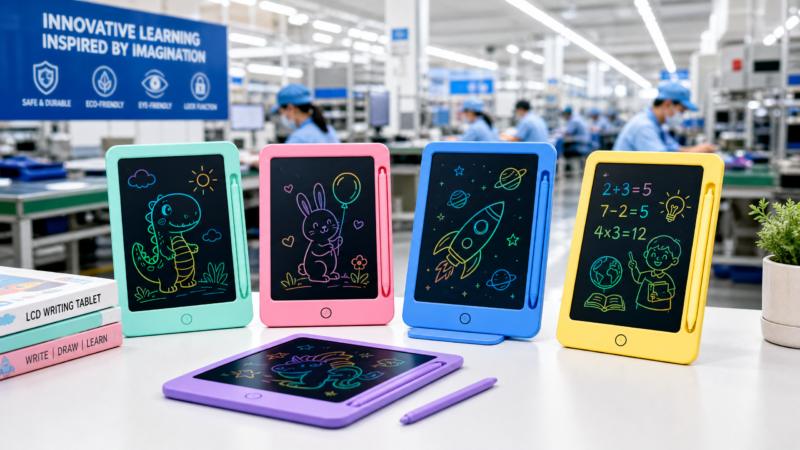
This guide is written for importers, distributors, education suppliers, retail buyers, institutional purchasers, and brand owners comparing large-format and portable LCD writing products. It explains where the selected product fits, what a buyer should verify, and how to prepare an OEM or private-label brief without making unsupported claims.
An LCD writing board or tablet should be selected by use case, not by screen size alone. Buyers need to consider who will use it, whether it must move between rooms, how the product will be stored, whether a stand is required, how the artwork will be presented, and what the final package must contain. Product dimensions, weight, battery information, documents, and lead time should always be confirmed in the quotation and approved pre-production sample.
Buyers can review the full 42-Inch Mobile LCD Writing Board product page for the model-specific overview, specification table, FAQ, and quotation route. The wider GY-Industries Product catalog includes other LCD writing products for comparison.
Why choose a 42-inch mobile board instead of a handheld tablet?
A 42-inch mobile board is intended for shared visibility. The wheeled stand lets a teacher, trainer, meeting leader, or institution position the board where people can see it. The board can support temporary writing, lesson notes, diagrams, workshop steps, planning, and group discussion. A handheld tablet is easier to carry and store, but it does not provide the same room-scale writing area. Buyers should select the format that matches the audience and room rather than comparing the products only by technology name.
For a responsible purchase, this application should be converted into a short written brief. State the user, room or channel, target quantity, preferred color or artwork, accessory expectations, packaging language, and delivery destination. Then compare the brief with the approved sample before production.
How can classrooms use the wheeled format?
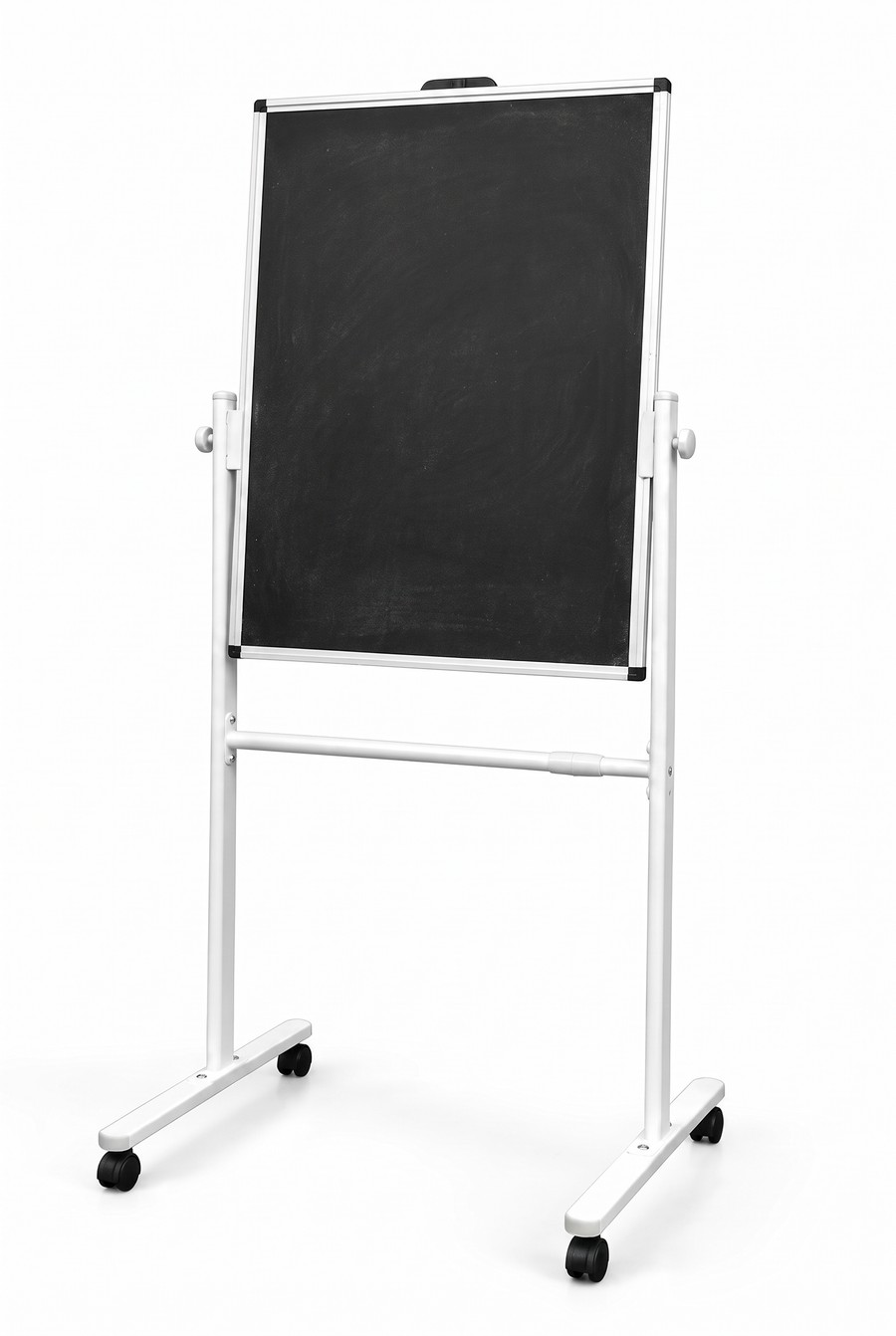
The 42-inch vertical board can be evaluated for classrooms, tutoring rooms, learning stations, language practice, handwriting demonstration, and temporary lesson notes. The stand can help a teacher move the board between rooms or position it beside a desk. The buyer should confirm the stand structure, caster details, height, stability, and storage plan. The supplied image shows a white wheeled stand, but the final production configuration should be approved from a sample.
For a responsible purchase, this application should be converted into a short written brief. State the user, room or channel, target quantity, preferred color or artwork, accessory expectations, packaging language, and delivery destination. Then compare the brief with the approved sample before production.
What is useful about a mobile board in training spaces?
Training rooms often change layout. A trainer may need the writing surface near a table, at the front of a room, or beside a demonstration area. A wheeled board can support this flexibility. It may also suit workshops, office planning sessions, staff instruction, and small institutional programs. The buyer should measure the doorways, corridors, lift, storage location, and turning space. A mobile product needs a movement plan as well as a writing plan.
For a responsible purchase, this application should be converted into a short written brief. State the user, room or channel, target quantity, preferred color or artwork, accessory expectations, packaging language, and delivery destination. Then compare the brief with the approved sample before production.
How should offices evaluate the 970 × 680 × 80 mm board size?
The supplied board size is 970 × 680 × 80 mm, with a stand specification shown as 60 × 90. These values should be used for an initial space check. The buyer should request the full assembled height, packed dimensions, and final stand drawing before ordering. Check the path from receiving area to the meeting room. Confirm where the product will stand during use and where it will be stored after a meeting. These details reduce installation surprises.
For a responsible purchase, this application should be converted into a short written brief. State the user, room or channel, target quantity, preferred color or artwork, accessory expectations, packaging language, and delivery destination. Then compare the brief with the approved sample before production.
What should institutional buyers ask about the stand?
Institutional buyers should ask about wheel arrangement, locking or stabilizing method, frame material, height, assembly, packaging, and replacement or after-sales parts if relevant to the order. The supplied page lists a 2.24 kg stand weight and 6.5 kg gross product weight, but the complete packed shipment should be confirmed. A stand that is moved frequently should be checked by the actual user before mass production or institutional delivery.
For a responsible purchase, this application should be converted into a short written brief. State the user, room or channel, target quantity, preferred color or artwork, accessory expectations, packaging language, and delivery destination. Then compare the brief with the approved sample before production.
What OEM and private-label options are practical?
A buyer can discuss frame color, board artwork, logo placement, instructions, package design, stand presentation, carton marks, and destination-market documents. A training company may want a branded board. An education supplier may want a neutral white stand and clear institutional packaging. A distributor may want an assortment with 42-inch and 58-inch mobile formats. The artwork should be reviewed on the actual board and package so the logo and product name remain readable at the intended distance.
For a responsible purchase, this application should be converted into a short written brief. State the user, room or channel, target quantity, preferred color or artwork, accessory expectations, packaging language, and delivery destination. Then compare the brief with the approved sample before production.
How should a distributor compare the 42-inch and 58-inch formats?
The 42-inch model has a 970 × 680 × 80 mm board size and a wheeled stand. The 58-inch model is a larger 1239 × 929 × 12.8 mm board on a mobile stand and is positioned for larger shared writing and display programs. The 42-inch model may fit rooms and storage areas where the 58-inch format is too large. The 58-inch model may be better when visibility and writing area are more important. The final choice should consider room geometry, audience distance, movement, and shipping.
For a responsible purchase, this application should be converted into a short written brief. State the user, room or channel, target quantity, preferred color or artwork, accessory expectations, packaging language, and delivery destination. Then compare the brief with the approved sample before production.
What should be confirmed before an institutional order?
Confirm board size, assembled stand height, stand specification, wheel and stability details, product and packed weight, packaging, artwork, battery arrangement, documentation, quantity, and delivery access. The quotation should also identify whether assembly is required and who is responsible for it. Approve a real sample before the buyer creates installation instructions or commits to a large institutional program.
For a responsible purchase, this application should be converted into a short written brief. State the user, room or channel, target quantity, preferred color or artwork, accessory expectations, packaging language, and delivery destination. Then compare the brief with the approved sample before production.
42-Inch Mobile LCD Writing Board specifications for buyers
| Item | Provided specification |
|---|---|
| Board size | 970 × 680 × 80 mm |
| Stand specification | 60 × 90, as shown in the supplied image |
| Stand weight | 2.24 kg |
| Gross product weight | 6.5 kg |
| Format | Vertical LCD writing board on a wheeled stand |
| Lead time | Confirm the applicable 1–7 day range for quantity, customization, and sample approval. |
| OEM and wholesale position | Confirm the selected configuration, artwork, packaging, documents, quantity, and sample before mass production. |
The table is based on the linked product page and supplied specification source. It is intended for initial product evaluation. The formal quotation and approved pre-production sample control the final specification, packaging, documents, and schedule.
How should buyers prepare an OEM or private-label brief?
Start with the customer and environment. A classroom, tutoring room, office, retail shelf, institutional program, and home-learning collection need different product explanations. A mobile board needs room and movement information. A children’s tablet needs artwork, color, stylus, battery, and package information. A private-label buyer should explain the intended channel before requesting logo or packaging work.
Next, confirm the visible product details. List the board or tablet size, frame or stand, color, stylus or accessory, battery, erase operation, artwork, and package. If the reference shows a feature that is not listed in the written specification, treat it as a point for confirmation rather than a guaranteed claim. This prevents the product page, artwork, quotation, and sample from drifting apart.
Finally, plan the approval process. Ask for a sample, compare it with the specification, record all changes, and approve the final artwork and package. Request the applicable destination-market document set. Confirm the carton plan, delivery access, and the 1–7 day lead-time range for the selected quantity and customization.
How should institutions compare the 42-inch board with a fixed wall board?
The 42-inch mobile board is valuable when the writing surface needs to move. A fixed board can work well in one room, but a mobile format can be shared by classrooms, training spaces, meeting rooms, or tutoring areas. The buyer should compare the total use case: how many rooms need the board, how often it will move, whether storage is available, and whether the stand can pass through the building. Mobility is useful only when the building and operating routine support it.
The supplied board size is 970 × 680 × 80 mm and the image shows a vertical black board on a white wheeled stand. Confirm the assembled height, stand footprint, wheel details, and package before ordering. The stand specification is shown as 60 × 90 and the stand weight as 2.24 kg, but these figures should be matched with the production drawing. The gross product weight is listed as 6.5 kg, which should be reconciled with the complete packed shipment.
For a classroom or training provider, the board can support lesson notes, a worked example, a workshop agenda, a process diagram, or temporary planning. The product should be placed where the group can see it and where the presenter can write comfortably. A buyer should test the height and viewing angle with the actual user. If different age groups will use it, confirm whether the stand position and board height are appropriate for the intended environment.
Institutional procurement may require a more detailed file than a retail order. Prepare the product drawing, sample photos, packaging details, battery or erase information, certificates or test documents that apply to the destination, spare-part or after-sales expectations, and delivery access notes. The RFQ should state whether assembly is needed and whether the buyer expects the board to arrive assembled. These details reduce confusion between the board price and the complete delivered program.
The 42-inch product can also be part of a larger distributor range. A 58-inch mobile board can address rooms that need a larger shared writing area. A 16-inch tablet can address personal drawing and home learning. By linking the products and explaining the room, mobility, and size differences, a distributor can help buyers choose rather than forcing every customer into one model.
What should the final quotation include?
The quotation should identify the 42-inch board, stand, caster arrangement, assembled dimensions, packed dimensions, weight, artwork, battery information, documentation, assembly requirement, quantity, and delivery access. Institutional buyers should state whether the board will be delivered to a classroom, training center, office, or warehouse. If installation or assembly is expected, that responsibility should be written clearly.
Keep the approved sample and stand drawing for receiving inspection. Check the board, frame, wheels, stability, package, and included parts before the product is assigned to a room. A clear approval record makes future reorders and staff training easier.
What creates a reliable reorder?
A reliable reorder keeps the approved board, stand, wheel, height, package, weight, artwork, and delivery instructions together. The buyer should compare the next sample with the approved operating configuration before sending the product to classrooms or training rooms. This helps institutions maintain consistent equipment and reduces confusion during receiving, assembly, and room assignment.
Buyer checklist
- Define the target user, room, retail channel, or institutional application.
- Confirm the exact product dimensions and any stand or stylus configuration.
- Confirm color, artwork, logo, packaging, instructions, barcode, and carton labels.
- Confirm battery information and the document set required for the destination market.
- Review the sample in the actual use environment.
- Approve the pre-production sample and record all changes.
- Confirm quantity, carton plan, delivery access, inspection, and lead time.
Frequently asked questions
What is the board size?
The supplied specification lists a 970 × 680 × 80 mm board size and a 60 × 90 stand specification. Confirm the assembled dimensions in the quotation and sample.
How heavy is the stand?
The supplied specification lists 2.24 kg for the stand and 6.5 kg gross product weight. Confirm the final packed and assembled weights before shipping.
Is the stand suitable for frequent movement?
The supplied image shows a wheeled stand. Confirm the final casters, stability, locking, height, assembly, and storage requirements through sample review.
Can institutions request private-label artwork?
Buyers can discuss logo placement, frame or stand color, artwork, instructions, packaging, carton labels, and destination-market documents. Final availability depends on the project and sample approval.
Need a quotation for the 42-Inch Mobile LCD Writing Board?
Send your target market, quantity, application, color or artwork plan, packaging requirements, delivery destination, and sample expectations.
Product facts in this article are based on the linked GY-Industries product page and supplied specification. Confirm the final configuration, dimensions, battery or stand details, documents, packaging, quantity, and lead time in the formal quotation and approved pre-production sample.