This guide is written for importers, distributors, education suppliers, retail buyers, institutional purchasers, and brand owners comparing large-format and portable LCD writing products. It explains where the selected product fits, what a buyer should verify, and how to prepare an OEM or private-label brief without making unsupported claims.
An LCD writing board or tablet should be selected by use case, not by screen size alone. Buyers need to consider who will use it, whether it must move between rooms, how the product will be stored, whether a stand is required, how the artwork will be presented, and what the final package must contain. Product dimensions, weight, battery information, documents, and lead time should always be confirmed in the quotation and approved pre-production sample.
Buyers can review the full 58-Inch Large LCD Writing Board with Mobile Stand product page for the model-specific overview, specification table, FAQ, and quotation route. The wider GY-Industries Product catalog includes other LCD writing products for comparison.
What makes a 58-inch LCD writing board different from a handheld tablet?
A handheld LCD tablet is designed around personal use. A 58-inch board is designed around shared visibility. The larger surface can be evaluated when a teacher, trainer, presenter, or meeting leader needs one writing area that several people can see. The mobile stand adds another purchasing decision because the board can be moved between rooms instead of being fixed to one wall. The value is therefore a combination of surface size, shared viewing, and room-to-room mobility. It should not be described as a digital touchscreen or interactive computer display unless those functions are confirmed for the selected configuration.
For a responsible purchase, this application should be converted into a short written brief. State the user, room or channel, target quantity, preferred color or artwork, accessory expectations, packaging language, and delivery destination. Then compare the brief with the approved sample before production.
Where can the mobile stand be useful?
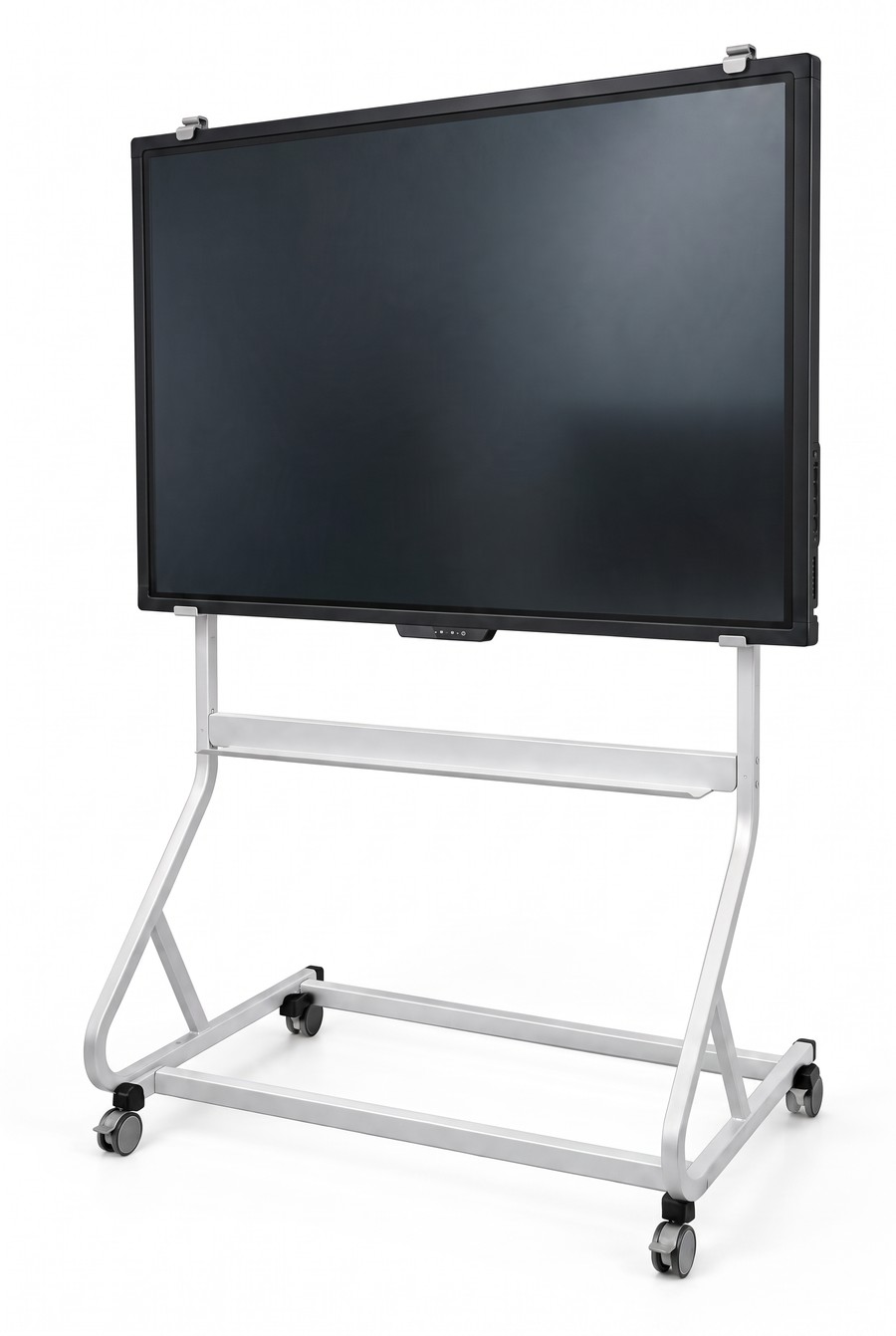
The supplied product image shows a black writing board on a silver mobile stand with casters. This format can be evaluated for classrooms, training spaces, meeting rooms, workshops, temporary exhibition areas, and commercial display programs. A school may move the board between a classroom and a tutoring room. A training provider may use one board in several rooms. A commercial buyer may need a large writable surface that can be positioned near a demonstration or presentation area. The exact stand locking, wheel, height, and safety details must be checked on the approved sample.
For a responsible purchase, this application should be converted into a short written brief. State the user, room or channel, target quantity, preferred color or artwork, accessory expectations, packaging language, and delivery destination. Then compare the brief with the approved sample before production.
How should institutions plan the room installation?
The buyer should measure doorways, corridors, lifts, storage areas, and the intended writing position before ordering. The product size is 1239 × 929 × 12.8 mm, but the complete shipment also includes the stand and packaging. The final packed dimensions may be larger than the board itself. The institution should also decide where the board will be stored when not in use and who will move it. These practical checks are as important as the writing surface because a large mobile product is used in a real building, not only shown in a catalog.
For a responsible purchase, this application should be converted into a short written brief. State the user, room or channel, target quantity, preferred color or artwork, accessory expectations, packaging language, and delivery destination. Then compare the brief with the approved sample before production.
What teaching and training activities can it support?
The large format can be evaluated for lesson headings, worked examples, vocabulary, diagrams, meeting notes, training steps, workshop planning, and temporary visual explanations. A teacher or trainer can write while a group watches, then clear the surface for the next activity. It can complement printed materials and presentation tools. The buyer should describe it as a reusable large writing surface and avoid promising a particular teaching method, software function, or interactive capability without product confirmation.
For a responsible purchase, this application should be converted into a short written brief. State the user, room or channel, target quantity, preferred color or artwork, accessory expectations, packaging language, and delivery destination. Then compare the brief with the approved sample before production.
What should commercial display buyers verify?
Commercial buyers should confirm the viewing position, lighting, frame appearance, stand footprint, transport route, and cleaning or erase routine. A product that looks suitable in a product image may need a different configuration for a showroom, office lobby, training center, or event space. Ask whether the final artwork, logo, frame color, and packaging are available for the intended order quantity. If the display will be moved often, the buyer should examine the stand stability and caster arrangement during sample review.
For a responsible purchase, this application should be converted into a short written brief. State the user, room or channel, target quantity, preferred color or artwork, accessory expectations, packaging language, and delivery destination. Then compare the brief with the approved sample before production.
How should an OEM buyer customize a large-format board?
An OEM brief should include board size, orientation, frame or housing color, logo position, printed artwork, instruction language, stand requirements, packaging, carton marks, battery information, and destination-market documentation. A buyer may want a school brand, training-company identity, distributor label, or commercial display design. Artwork should be reviewed at the actual board and package scale. Large surface products can make small alignment errors easy to see, so sample approval should record the exact approved layout.
For a responsible purchase, this application should be converted into a short written brief. State the user, room or channel, target quantity, preferred color or artwork, accessory expectations, packaging language, and delivery destination. Then compare the brief with the approved sample before production.
What logistics questions matter most?
The board itself is approximately 6.4 kg and uses a polymer battery according to the supplied specification. The complete shipping unit will also include the mobile stand and packaging. Buyers should request the confirmed packed dimensions, gross weight, carton structure, and loading plan before calculating freight. They should clarify whether the stand is shipped assembled or separately and whether special protection is required. These details should be written into the quotation because the board and stand have different handling needs.
For a responsible purchase, this application should be converted into a short written brief. State the user, room or channel, target quantity, preferred color or artwork, accessory expectations, packaging language, and delivery destination. Then compare the brief with the approved sample before production.
How can distributors create a large-format LCD product range?
A 58-inch mobile board can sit at the institutional and shared-visibility end of a product range. Smaller 16-inch and 8.5-inch tablets can address personal drawing, home learning, stationery, or retail channels. A 42-inch mobile board can serve buyers that need a wheeled display with a smaller board footprint. A range becomes easier to sell when every product page explains the intended environment, mobility, storage, and customization boundaries. The distributor should link the products but keep the claims model-specific.
For a responsible purchase, this application should be converted into a short written brief. State the user, room or channel, target quantity, preferred color or artwork, accessory expectations, packaging language, and delivery destination. Then compare the brief with the approved sample before production.
58-Inch Large LCD Writing Board with Mobile Stand specifications for buyers
| Item | Provided specification |
|---|---|
| Product size | 1239 × 929 × 12.8 mm |
| Color | Advanced gray |
| Product weight | Approximately 6.4 kg |
| Battery | Polymer battery |
| Stand | Mobile stand with casters shown in the supplied product design |
| Lead time | Confirm the applicable 1–7 day range for quantity, customization, and sample approval. |
| OEM and wholesale position | Confirm the selected configuration, artwork, packaging, documents, quantity, and sample before mass production. |
The table is based on the linked product page and supplied specification source. It is intended for initial product evaluation. The formal quotation and approved pre-production sample control the final specification, packaging, documents, and schedule.
How should buyers prepare an OEM or private-label brief?
Start with the customer and environment. A classroom, tutoring room, office, retail shelf, institutional program, and home-learning collection need different product explanations. A mobile board needs room and movement information. A children’s tablet needs artwork, color, stylus, battery, and package information. A private-label buyer should explain the intended channel before requesting logo or packaging work.
Next, confirm the visible product details. List the board or tablet size, frame or stand, color, stylus or accessory, battery, erase operation, artwork, and package. If the reference shows a feature that is not listed in the written specification, treat it as a point for confirmation rather than a guaranteed claim. This prevents the product page, artwork, quotation, and sample from drifting apart.
Finally, plan the approval process. Ask for a sample, compare it with the specification, record all changes, and approve the final artwork and package. Request the applicable destination-market document set. Confirm the carton plan, delivery access, and the 1–7 day lead-time range for the selected quantity and customization.
How should a buyer plan delivery and daily operation for the 58-inch format?
A large mobile writing board should be planned as equipment for a real room, not as a small stationery item. Before ordering, the buyer should map the route from receiving area to the classroom, training room, office, or display space. Measure doors, lifts, corridors, turning points, storage locations, and the area where the stand will be parked. The board itself is large, and the stand and packaging add to the space required during delivery. A simple site check can prevent avoidable delivery problems.
Daily operation should also be assigned to a responsible user. Someone should know how to move the stand, where to place it, how to store it, and how to check the wheels or stabilizing parts. If the product will be moved between rooms, the institution should decide whether it is moved by one trained person or by two people. The approved sample can help the buyer create a short operating note for staff.
For a distributor, the commercial message should separate the visible benefit from unconfirmed technical claims. The visible benefit is a large reusable writing surface on a mobile stand. The buyer can discuss classroom instruction, training, meeting notes, and temporary display use. The listing should not promise touchscreen control, software, wireless connection, or interactive display features unless the final technical file confirms them.
The supplier brief should include the board size, frame color, stand configuration, logo, artwork, packaging, instructions, battery information, and market documents. If the buyer wants a different stand color or a branded training-room package, that request should be stated before sampling. Artwork should be checked from the normal viewing distance. A logo that looks large on a computer screen may look too small on a 58-inch board, while a decorative element may compete with the writing area.
After the first sample is approved, the buyer should keep the approved photographs, measurements, artwork, packing list, and quotation together. This creates one reference for purchasing, receiving, sales, and customer support. It also makes future reorders easier because the distributor can compare the next batch with the same approved standard instead of relying on memory.
What should the final quotation include?
For a large mobile board, the quotation should identify the board, stand, casters, battery, artwork, package, document set, quantity, and delivery terms. It should separate the product weight from the complete shipping weight and state whether assembly is included. The buyer should also ask whether the stand is packed with the board or shipped as a separate component. A clear quotation allows an institution to compare suppliers on the same basis.
The buyer should keep the approved sample available for receiving inspection. Check the board surface, frame, stand, wheels, artwork, package, and included parts against the approved file. If the product will be supplied to several rooms, photograph the approved configuration so staff can identify the correct item. This is useful for future reorders and for customer support.
What creates a reliable reorder?
A reliable reorder uses the approved sample, confirmed drawing, packing list, artwork, and quotation as one reference. The buyer should record the board, stand, battery, frame, package, carton, and document details. This is especially useful when the product is supplied to several rooms or institutional customers. A documented approval makes it easier to identify changes and maintain the same customer experience across future batches.
Buyer checklist
- Define the target user, room, retail channel, or institutional application.
- Confirm the exact product dimensions and any stand or stylus configuration.
- Confirm color, artwork, logo, packaging, instructions, barcode, and carton labels.
- Confirm battery information and the document set required for the destination market.
- Review the sample in the actual use environment.
- Approve the pre-production sample and record all changes.
- Confirm quantity, carton plan, delivery access, inspection, and lead time.
Frequently asked questions
Is the 58-inch board a touchscreen?
The supplied product page presents it as a large LCD writing board. Do not assume touchscreen, software, or interactive display functions unless they are confirmed in the final technical documentation.
Can the board be moved between rooms?
The supplied product design includes a mobile stand with casters. Confirm the final stand, wheel, locking, height, and packaging details in the approved sample.
What is the product weight?
The supplied specification lists approximately 6.4 kg for the product. Confirm the complete packed and stand-included shipping weight before freight planning.
Can the 58-inch board be private labeled?
Buyers can discuss logo placement, frame or housing color, artwork, packaging, instructions, and destination-market documents. Availability depends on quantity, approved artwork, configuration, and sample approval.
Need a quotation for the 58-Inch Large LCD Writing Board with Mobile Stand?
Send your target market, quantity, application, color or artwork plan, packaging requirements, delivery destination, and sample expectations.
Product facts in this article are based on the linked GY-Industries product page and supplied specification. Confirm the final configuration, dimensions, battery or stand details, documents, packaging, quantity, and lead time in the formal quotation and approved pre-production sample.
