Running a restaurant is hard. Menu boards can be expensive and slow to update. Paper menus get dirty fast.
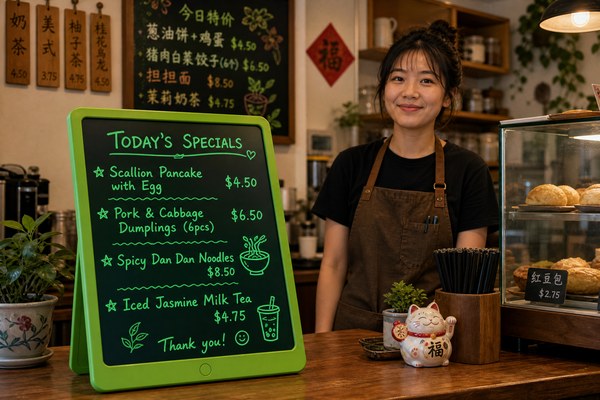
Yes, restaurants can absolutely use an LCD writing tablet as a menu board. It is low-cost, easy to update, and eye-catching. Staff can change specials in seconds. No printing needed. No waiting. Just write, erase, and write again.
I have spent years watching restaurants struggle with this problem. They print new menus every week. They pay designers for chalkboard art. They tape paper signs over old prices. I have seen how much time and money this wastes. An LCD writing tablet changes all of that. It is a simple tool. But in a restaurant setting, it becomes something really powerful. Let me show you exactly how it works — and why more restaurants are making the switch right now.
1. Daily Specials and Price Changes Become Effortless
Menus change all the time. Prices go up. Ingredients run out. Specials rotate daily. Updating signs is a real pain.
An LCD writing tablet lets restaurant staff update any menu item instantly. Just press the erase button and rewrite. There is no ink, no paper, no printing cost. It takes less than ten seconds to change a price or swap a dish.
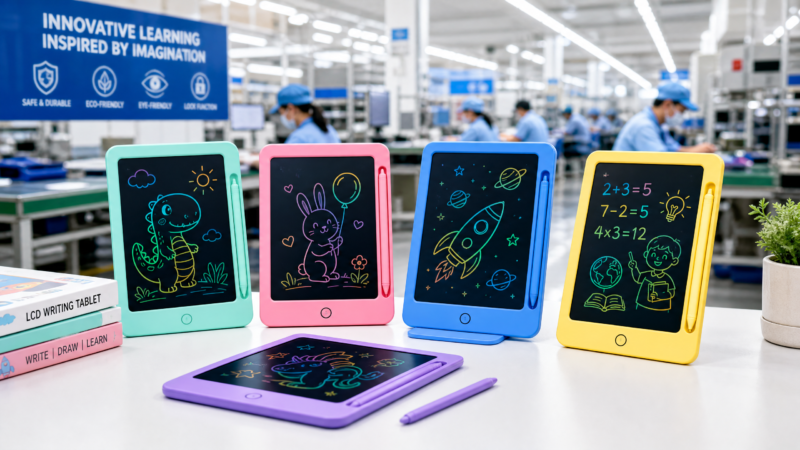
I remember talking to a small café owner. She was spending over $200 a month on printed menu inserts. Her soup of the day changed every single morning. Her staff wasted 20 minutes every day swapping paper signs. She tried a standard LCD writing tablet from our factory here in Shenzhen. Within a week, she told me it was one of the best decisions she had made. Her staff loved it. Customers actually stopped to look at the board because it was bright and clean. That bright electroluminescent display really pulls people in. She cut her printing cost to almost zero.
Update Speed Comparison: LCD Tablet vs. Traditional Menu Boards
| Method | Time to Update | Cost Per Update | Skill Required |
|---|---|---|---|
| LCD Writing Tablet | Under 10 seconds | $0 | None |
| Printed Menu Insert | 1–3 days | $50–$200+ | Designer needed |
| Traditional Chalkboard | 15–30 minutes | Low but messy | Artistic skill helps |
| Digital Screen Display | 5–15 minutes | High setup cost | Tech knowledge needed |
2. They Are Safe, Durable, and Restaurant-Ready
Restaurants are tough environments. Grease, steam, spills, and clumsy moments happen every day. Equipment needs to survive all of it.
LCD writing tablets are built tough. They have no liquid ink inside. The screen is pressure-sensitive but strong. Good-quality tablets carry CE, RoHS, and CPC certifications. This means they meet safety standards for commercial and even child-safe environments.
I have seen our GY-industries tablets used in busy kitchen-facing counters. One customer runs a fast-food chain with ten locations. He needed a board near the fryers. He was worried about heat and grease in the air. We talked through the specs together. Our tablets use sealed LCD panels. There is no liquid to leak. No chemicals to worry about. They passed RoHS and CE testing at our Shenzhen facility. He ordered a custom OEM batch with his brand logo on the frame. Those boards are still going strong after two years of daily use. You can learn more about our OEM and ODM service options here.
Key Features Restaurants Should Look For
| Feature | Why It Matters for Restaurants | GY-industries Spec |
|---|---|---|
| One-button erase | Fast updates during busy service | Yes, full-screen clear |
| CE / RoHS certified | Safe for public and food environments | All products certified |
| Slim, lightweight frame | Easy to hang or prop on counter | Multiple sizes available |
| Custom branding option | Matches restaurant look and feel | OEM/ODM available |
3. They Work for Many Restaurant Zones, Not Just One
Most restaurant owners think of one use. But these tablets can work in many spots at once. That multiplies the value fast.
Restaurants can use LCD writing tablets at the entrance, the counter, each table, and the kitchen pass. Each one serves a different job. Welcome messages, daily specials, order notes, and allergen alerts — all handled simply and cleanly.
I walked through a mid-sized restaurant in Guangzhou with the owner. He had placed one tablet at the front door with a welcome message. Another one sat on the bar showing the cocktail of the day. Two smaller tablets were at corner tables for VIP reservation signs. And in the kitchen window, one tablet showed the chef which table had an allergy note. He told me his staff stopped making mistakes at that station. According to the FDA’s food allergen guidelines, clear allergen communication is critical in food service. That small tablet in the kitchen pass helped him meet that standard simply and cheaply. It was one of the most creative uses I have personally seen.
Where to Use LCD Tablets in a Restaurant
| Location | Best Use | Recommended Size |
|---|---|---|
| Entrance / Waiting Area | Welcome message, wait time, specials | 17″ or larger |
| Counter / Cashier | Daily deals, upsell prompts | 12″–17″ |
| Table Top | Reservation names, QR code notes | 8.5″–12″ |
| Kitchen Pass / Station | Allergy alerts, order notes | 8.5″–12″ |
Conclusion
LCD writing tablets are a smart, simple tool for any restaurant. I highly recommend exploring your options with GY-industries today. We make it easy.