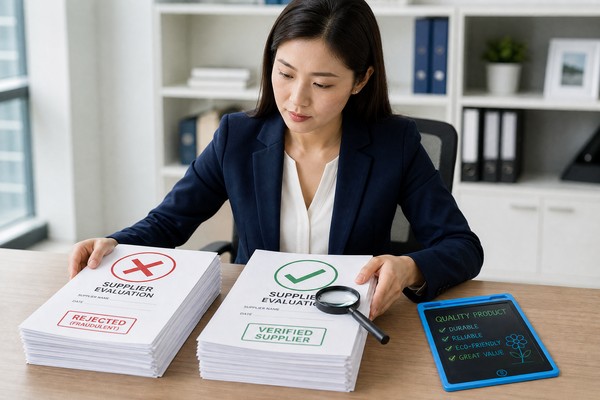
Overseas sourcing fraud is a real and costly problem. From fake certifications to bait-and-switch quality tactics, B2B buyers face numerous risks when sourcing from unfamiliar manufacturers. This guide provides a practical framework for protecting your business.
The 5 Most Common Sourcing Scams
Understanding how scams work is the first step to avoiding them. The most prevalent tactics include: forged certification documents, golden sample fraud (perfect sample, terrible mass production), disappearing deposits, IP theft, and ghost factories (trading companies posing as manufacturers).
Red Flags and Verification Steps
| Red Flag | What It Signals | How to Verify |
|---|---|---|
| Prices far below market rate | Compromised quality or scam | Get 3+ competing quotes; reject outliers |
| Cannot provide factory address for audit | Trading company or ghost factory | Request Google Maps verification + video tour |
| Certification documents look generic | Forged or borrowed certs | Verify report number directly with the lab (SGS, BV) |
| Pushes for 100% upfront payment | High risk of disappearing | Insist on 30% deposit, 70% before shipment |
| Refuses pre-shipment inspection | Hiding quality issues | Walk away or hire a third-party inspector |
Building a Trustworthy Supplier Relationship
The best protection against fraud is a long-term relationship with a verified, reputable manufacturer. GY-industries has served global clients for 15+ years, with a transparent operation that welcomes audits and provides verifiable documentation. Learn more about our company or contact us to start a verified partnership.