As digital screens become ever more pervasive in children’s lives, parents and educators are actively seeking alternatives that promote healthy development without sacrificing engagement. Screen-free educational toys are not a nostalgic throwback—they are a scientifically-backed solution to a modern problem.
The Developmental Case Against Excessive Screen Time
The American Academy of Pediatrics (AAP) recommends no screen time for children under 18–24 months (except video chatting), and limited, high-quality screen time for children aged 2–5. Excessive exposure to fast-paced, passive digital content has been linked to reduced attention spans, delayed language development, and disrupted sleep patterns.
How Screen-Free Toys Bridge the Gap
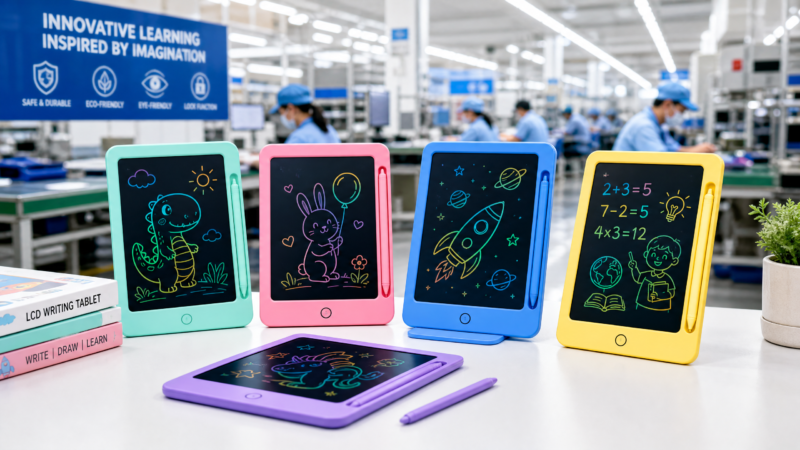
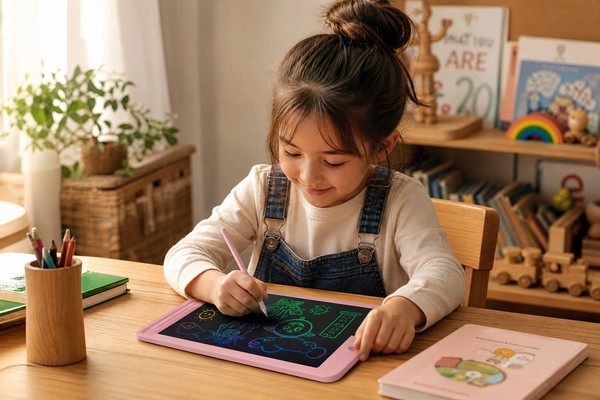
LCD writing tablets offer a compelling middle ground: they have the look and feel of modern technology, but function without a backlit screen, internet connection, or addictive app ecosystem. Children can draw, write, and create freely without the overstimulation associated with digital devices.
Screen-Free vs. Screen-Based: A Developmental Comparison
| Developmental Area | Screen-Based Devices | LCD Writing Tablets |
|---|---|---|
| Fine Motor Skills | Passive swiping; minimal motor development | Active stylus use builds grip strength and precision |
| Creativity | Guided by apps; limited open-ended play | Blank canvas encourages imagination |
| Sleep Quality | Blue light disrupts melatonin production | Zero light emission; safe before bedtime |
| Attention Span | Fast-paced content shortens focus | Slow, deliberate drawing builds concentration |
The Retail Opportunity
Brands that position their LCD tablets as developmental tools—not just toys—tap into a rapidly growing market of health-conscious parents. GY-industries can help you create custom products with packaging that communicates these developmental benefits clearly. Explore our OEM services or get a free quote today.